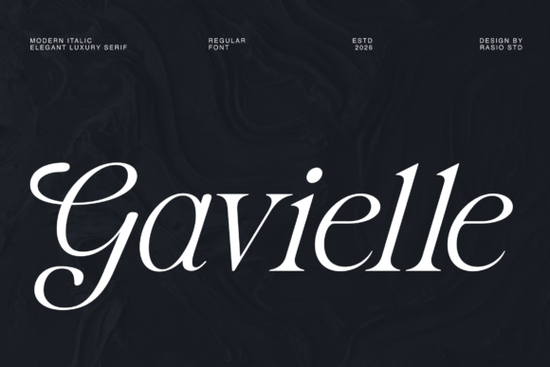
If you're looking for a modern italic serif font that feels both refined and approachable something that works as well on a hand-lettered wedding invitation as it does on a small-batch perfume label you’ll likely find Gavielle Font fits naturally into your workflow. It’s not overly ornate, but it carries quiet confidence: smooth curves, thoughtful spacing, and a rhythm that guides the eye without demanding attention. Designers and small business owners who value subtlety over flash often reach for Gavielle when they need typography that signals quality without shouting.
What makes Gavielle work so well for luxury branding?
Gavielle was built with real-world use in mind not just as a display font, but as a reliable voice across touchpoints. Its premium visual tracking means letters sit comfortably next to each other, even at smaller sizes or in tight layouts like cosmetic packaging or boutique business cards. The curves are balanced, not exaggerated: no sharp serifs or dramatic swashes to distract from your message. That restraint is why it pairs so cleanly with rich textures, soft photography, or generous negative space common features in high-end editorial design and artisanal product branding.
It’s also versatile within its category. While many elegant serif fonts lean heavily into vintage or calligraphic styles, Gavielle sits comfortably in the modern serif family clean enough for a contemporary hotel logo, yet warm enough for an heirloom-style wedding suite. You’ll find it especially useful if you’re working with clients in the beauty, hospitality, or fine crafts sectors, where tone and perception matter as much as aesthetics.
Where do designers actually use Gavielle?
Here are some everyday applications we see from Creative Fabrica users:
- Wedding stationery: From save-the-dates to menu cards, Gavielle adds polish without feeling stiff. It reads clearly in print and scans beautifully in digital proofs.
- Cosmetic and fragrance labels: Its gentle slant and open letterforms hold up well on curved glass bottles or matte paper stock.
- Luxury resort or boutique hotel logos: Works as a primary logotype or paired with a clean sans-serif for contrast.
- Jewelry packaging and tags: Small caps and refined punctuation lend elegance even at tiny sizes (down to 8–10 pt in print).
- Editorial magazine headlines: Especially in lifestyle, travel, or culture publications where tone leans sophisticated but human.
If you enjoy working with other refined serif options, you might also explore our curated collection of elegant editorial fonts, many of which share Gavielle’s focus on readability and quiet authority.
How does it compare to similar fonts?
Gavielle stands out because it avoids extremes. It’s not as formal as traditional Didone serifs like Bodoni, nor as casual as transitional serifs like Baskerville. Instead, it occupies a middle ground modern enough for today’s design sensibilities, but grounded in classic proportion. That makes it easier to pair with supporting typefaces, whether you’re layering it over a neutral sans-serif for contrast or using it solo for maximum impact.
For example, if you’ve tried fonts like Gavielle Font alongside something like Playfair Display or Cormorant Garamond, you’ll notice how Gavielle’s italic-first structure gives it a distinct personality fluid, but never fussy.
Practical tips before you download
Before adding Gavielle to your project, keep these simple things in mind:
- Test it at actual print size especially if you’re using it for packaging or stationery. Its elegance shines most when legibility stays intact.
- Use OpenType features like ligatures and alternate characters sparingly. They add nuance, but too many can disrupt rhythm.
- Pair it thoughtfully: try it with a neutral sans-serif (like Poppins or Inter) for balance, or let it stand alone on textured backgrounds for editorial layouts.
- Check licensing: Gavielle includes full commercial use rights, including for print-on-demand products and client work no extra fees or attribution required.
And if you’re already exploring serif fonts for editorial projects, take a look at Gavielle’s dedicated page to see how it fits within the broader context of modern serif options and how other designers are applying it in real projects.
Next step: Open a recent layout where you’ve used a generic serif or default system font. Swap in Gavielle for the headline or logo lockup even temporarily and see how the tone shifts. Often, that small change is all it takes to clarify your brand’s voice.
Get Started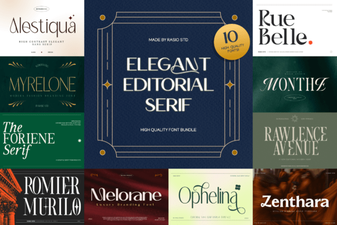 Elegant Editorial Fonts for Timeless Design
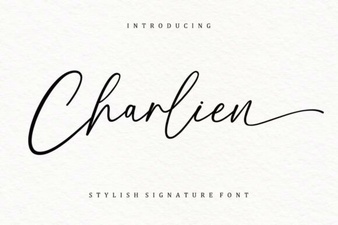 Charlien Font: Creative Design & Project Ideas
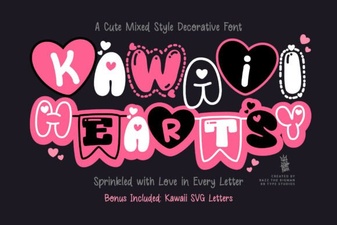 Kawaii Heartsy Font: Playful Design Ideas
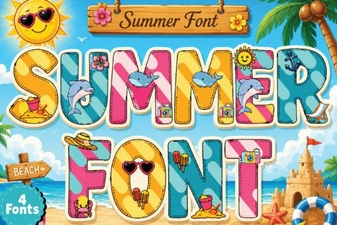 Summer Fonts: Creative Design Ideas for Your Projects
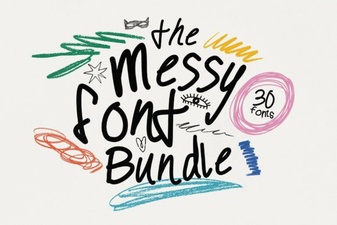 Messy Type Bundle: Creative Fonts for Bold Designs
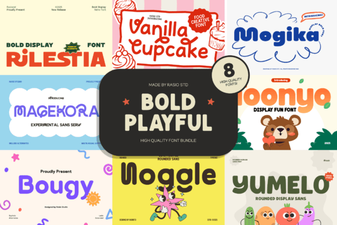 Bold & Playful Font Bundle for Creative Projects