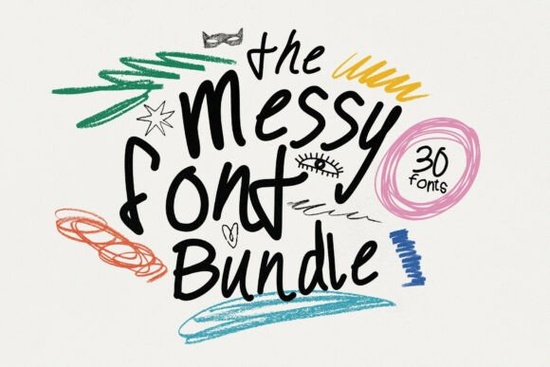
If you're looking for fonts that feel handmade not just styled to look that way the Messy Type Bundle Font is a thoughtful, practical collection of 30 imperfect typefaces made for real creative work. It’s not about adding “grunge” as an afterthought. These fonts were drawn, brushed, scribbled, and scanned with intention each one carrying natural inconsistencies, uneven strokes, and subtle texture you’d expect from actual pen-on-paper or marker-on-cardstock. That authenticity shows up clearly in print, on apparel, or in social posts where personality matters more than pixel-perfect alignment.
Who actually uses these fonts and why?
Small business owners building their own brand identity often find themselves stuck between sterile system fonts and overused “handwritten” fonts that all look the same. The Messy Type Bundle gives them something different: fonts with genuine variation like how Charlien Font balances delicate script with slight wobble, or how The Skinny Font keeps its thin lines expressive instead of fragile. Print-on-demand sellers use them for mug designs, tote bags, and greeting cards where warmth and approachability help products stand out in crowded marketplaces.
Crafters and indie makers also rely on this bundle when designing packaging labels, zine covers, or craft fair signage. A font like Manciety Font adds quiet confidence without shouting; Phatin Angler Font brings playful angularity that still feels grounded. You’re not choosing a “trend” you’re picking tools that match how your hands move, how your voice sounds, or how your brand talks to people.
What makes these fonts work where others fall short?
Most “messy” fonts are either too chaotic (hard to read at small sizes) or too tame (just slightly softened edges, no real character). This bundle avoids both traps. Every font was tested for legibility across common use cases like product tags, Instagram story text, or vinyl-cut decals. You’ll find rough serifs that hold shape at 12 pt, brush scripts that scale cleanly to posters, and textured sans serifs that don’t disappear in low-res previews.
The variety inside matters, too. It’s not 30 versions of the same scribble. You get:
- Expressive handwritten scripts some relaxed, some urgent
- Rough serifs with chipped corners and ink bleed
- Marker-style fonts with visible stroke direction and pressure shifts
- Organic display fonts built from scanned lettering, not vector approximations
- Imperfect sans serifs that keep rhythm without rigidity
This range means you can pair fonts intentionally say, using a raw brush headline with a quieter, slightly uneven sans for body text. Or layer a textured display font over a soft script for album art. It supports real typographic thinking, not just swapping one “fun” font for another.
How do they fit into your existing workflow?
All fonts are OpenType (.otf) and include standard Latin characters, numbers, basic punctuation, and often stylistic alternates or ligatures no extra software needed. They install and behave like any other font in Photoshop, Illustrator, Canva, or Cricut Design Space. If you’ve used fonts like Charlien Font or The Skinny Font, you’ll recognize the same attention to spacing and weight consistency here. And because they’re designed for versatility, many work equally well for digital mockups and physical production whether you’re screen-printing on fabric or laser-engraving wood.
You don’t need to overhaul your whole design process to start using them. Try swapping one polished font in your next project for something from the Messy Type Bundle Font. See how it changes the tone even subtly. Then notice which ones your customers respond to most. That’s how you build a visual language that feels true, not just trendy.
Before downloading or installing:
- Check your design software’s font preview mode it helps spot spacing quirks before finalizing layouts
- Test at multiple sizes: some messy fonts shine at 48+ pt but tighten up unexpectedly at 14 pt
- Look for built-in OpenType features (like alternates or swashes) in your software’s glyph panel they add nuance without extra files
- Save a quick reference sheet: name each font + one sentence on where it works best (e.g., “Manciety: great for minimalist shop banners”)
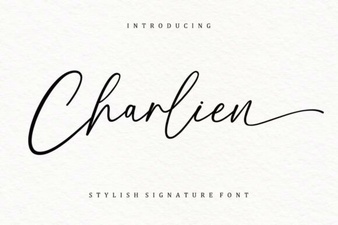 Charlien Font: Creative Design & Project Ideas
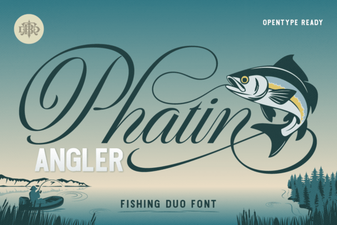 Phatin Angler Font: Creative Design & Styling Ideas
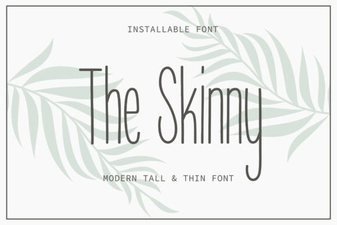 The Skinny Font: Elegant Typography for Creative Projects
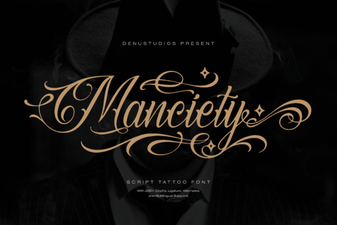 Manciety Font: Elegant Typography for Creative Projects
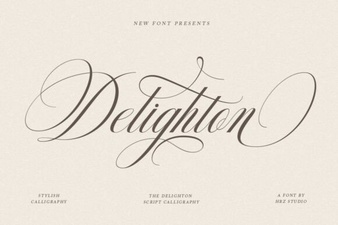 Delighton Script Font for Elegant Design Projects
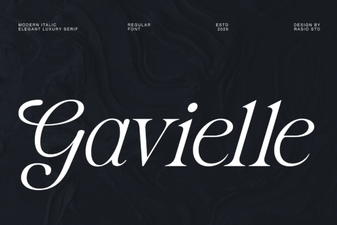 Gavielle Font: Elegant & Versatile Design Inspiration